
I Go to a Lot of Conferences. Here’s How I Make Them Worth It.
Discover how to maximize your conference ROI with practical tips on setting clear goals, making meaningful connections, and following up with intention - so you bring real value back to your team and enjoy the experience along the way.

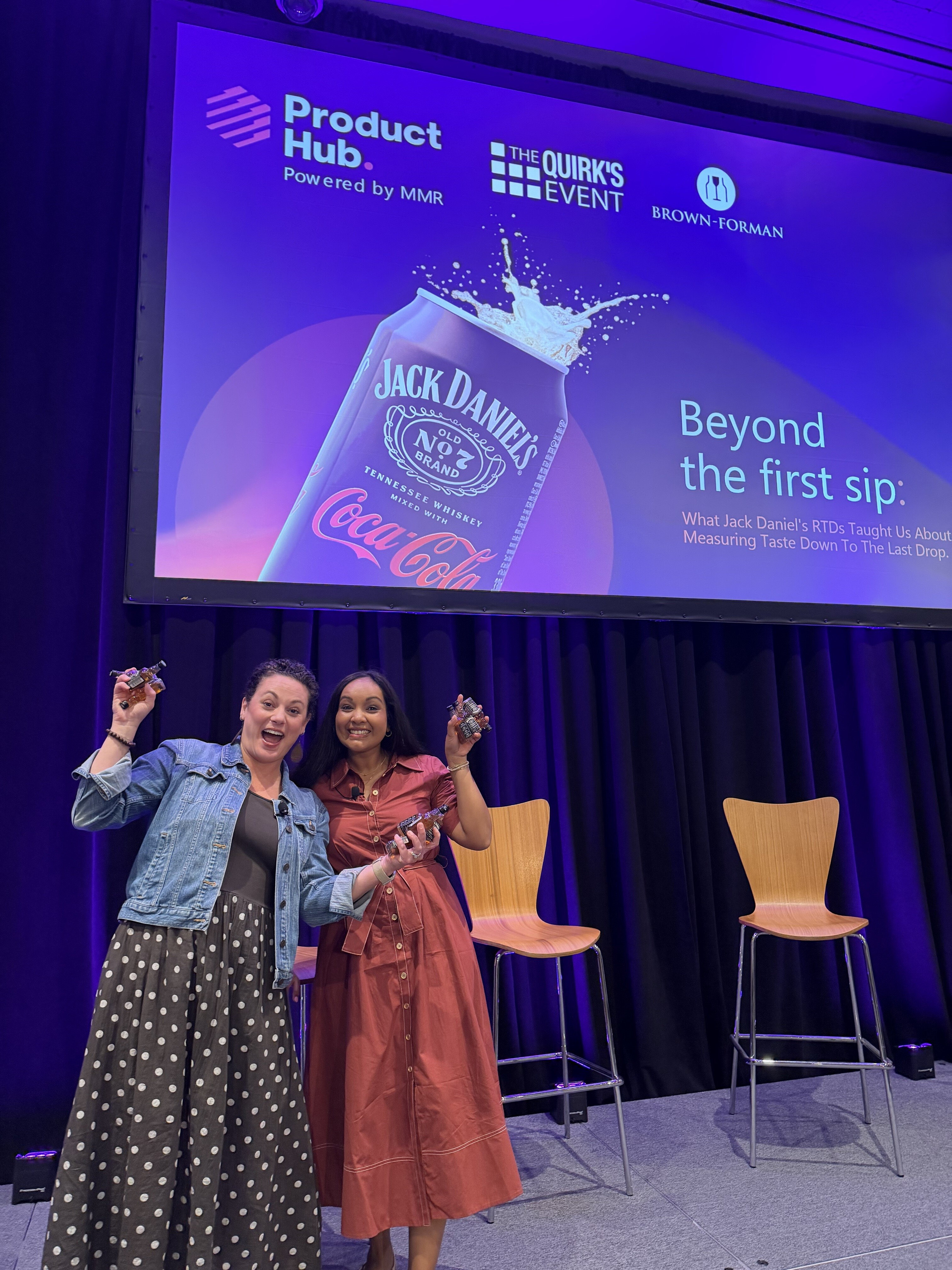
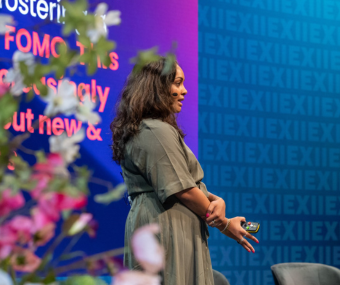
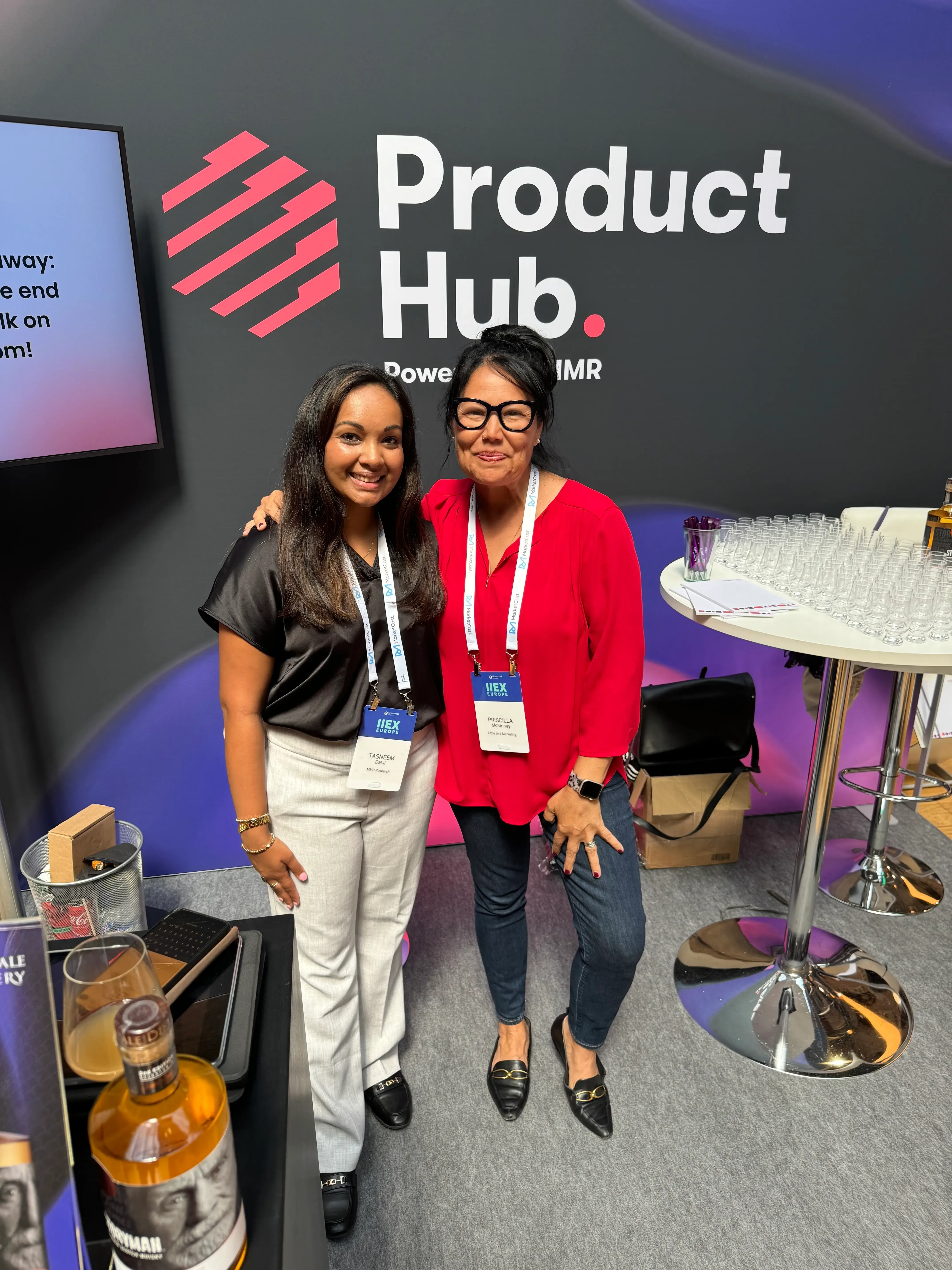
If we haven’t met yet, hi! I’m Tas, and I’m utterly obsessed with conferences.
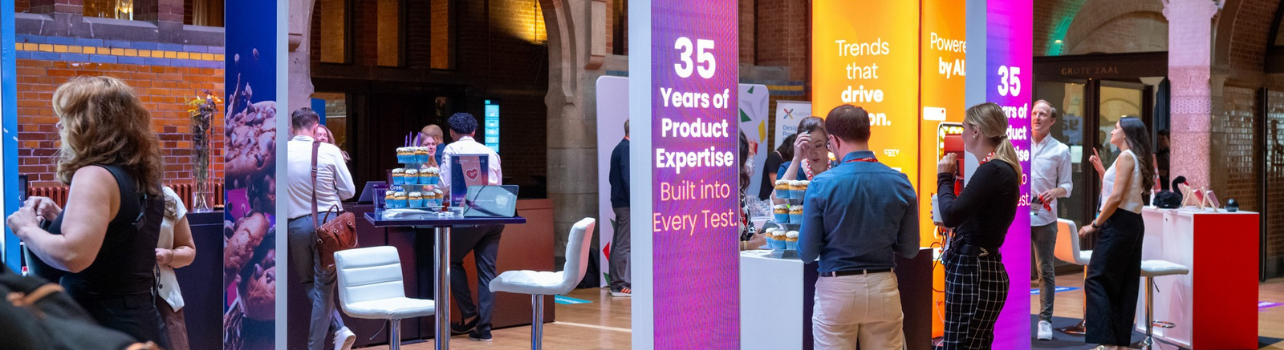
I love the buzz - the spontaneous hallway chats, the sessions you almost skip but end up sparking genuinely exciting ideas. For me, conferences are where the market research world really comes alive.
Once, I arrived at a European conference without my luggage (thank you, airline mishap). Panic-buying an entire wardrobe the night before day one wasn’t ideal, but conferences are rarely polished or predictable. At least it gave me a unique bonding moment with a male colleague... who, surprisingly, was a wizard at matching foundation shades!
After the initial chaos, the conference kicked off, and something incredible happened: a three-minute hallway conversation about product testing timelines completely changed how we structure client projects at Product Hub.
That’s conferences for you.
While I clearly love them, I’m also very aware - thanks to marketing teams everywhere - that conferences are a big investment: time, budget, energy, and a lot of behind-the-scenes effort. With 2026 shaping up to be another packed year for insights, innovation, and market research events worldwide, simply showing up isn’t enough anymore.
In this blog, I’m diving into what tangible ROI really means when it comes to conferences. So, alongside your ever-growing tote bag collection, you bring meaningful value back to your team.
First things first: Define what ROI actually means to you
Before you commit, ask yourself one simple question: Why this conference?
If the answer is “because everyone else is going” or “it’s in a nice city,” that’s totally fine. But if you want tangible ROI, you need at least one clear goal - learning, partnerships, pipeline, brand presence, inspiration. Pick one primary focus and let the rest be a bonus.
ROI isn’t always about leads. A stack of business cards or LinkedIn connections you never speak to again doesn’t really deliver value to anyone.
For me, it’s about making connections that matter.
For you, it might be a conversation that completely reframes how you think about a category, hearing a client speak candidly on stage about a challenge they’ve never mentioned before, or finally meeting someone in person after years of Zoom calls. All of these can lead to stronger relationships and future opportunities. And that is real ROI.

Five Top Tips
Tip One: Go in with a plan, but leave room for magic
I love a plan. I always have a shortlist of sessions I don’t want to miss and people I’d love to connect with.
That said, the best moments almost always happen off agenda; the happy hour chat, the person you sit next to because there are no other seats left, the last-minute decision to duck into a room because the title sounds interesting.
My rule is simple: plan your anchors, then stay curious.
Tip Two: Don’t travel in a pack the whole time
Attending with a team? Amazing. Just don’t move as a pack all the time.
Split up. Cover different sessions. Talk to different people. Compare notes at the end of the day.
Some of my most valuable conversations happened when I was on my own, slightly awkwardly introducing myself to someone new. The awkwardness fades. The connections stick.
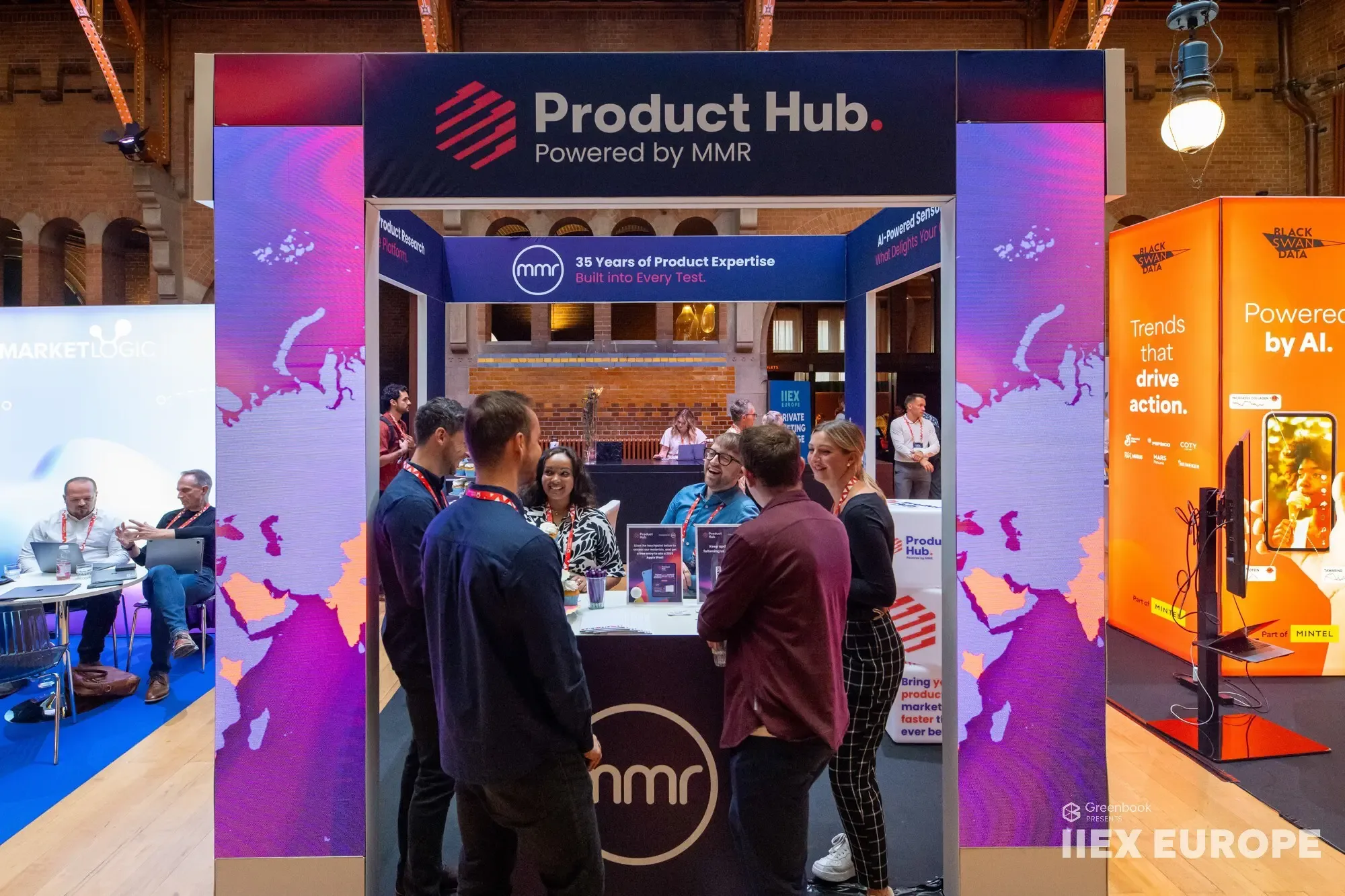
And if you’re sponsoring, remember this: the booth matters, but it’s not the only place value happens. Get out. Attend sessions. Ask questions. Be visible in more than one space.
Tip Three: Take notes like a human, not a robot
You don’t need to write everything down. What’s useful is capturing context.
Who did you speak to? What problem were they trying to solve? What made the conversation interesting?
A quick note on your phone right after a conversation is worth far more than a badge scan with no memory attached. Future you will thank you.
Tip Four: Connect in the moment, follow up with intention
This is the big one. And where most people drop the ball.
Conferences are often won or lost in the follow-up. And no, I don’t mean a generic “great to meet you” email sent three weeks later. Reference the actual conversation you had. Mention the session you discussed. Be specific. Be human.
If you can, book follow-up calls before you leave the conference. It’s much easier face to face and cuts through the post-conference inbox avalanche.
This is also where LinkedIn really matters. Connect while the conference energy is still there. Share a takeaway that stuck with you. Tag speakers. Comment on others’ posts.
Conferences don’t just live on the show floor anymore, they live online before, during and long after the event.
Some of the most valuable relationships in my network started with a quick LinkedIn connection after a conference, then grew over time through shared ideas and conversations. If you meet someone interesting, don’t wait weeks to connect. Send the request while it’s fresh, with a short personal note. It makes a huge difference.
Tip Five: Share what you’ve learned
If you’re going to a conference, you’re probably going on behalf of more than just yourself.
Share a short recap with your team. What stood out? What surprised you? What might actually change how you work?
Some of the best internal conversations I’ve had started with, “I heard something interesting at a conference last week.” At Product Hub, we commit to sharing internal and external recaps after every conference we attend, so the value extends well beyond the event itself.
A final thought
Conferences aren’t about doing more. They’re about being more intentional.
With so many events on the calendar in 2026, the opportunity is huge. But the real value comes from how you show up, who you talk to, and what you do once you’re home.
Go in with intention. Stay curious. Follow through.
And yes, enjoy it. Because if you’re not having at least a little fun, you’re doing it wrong.
See you on the conference circuit.
Blog.
The latest insights from our product experts