
IIEX APAC 2026: Less Hype, More Human - Learning to Live With AI
Product Hub at IIEX APAC 2026 Bangkok: less AI hype, more honesty - why provocation beats proof, qual is rising, and connected workflows turn insight into decisions.
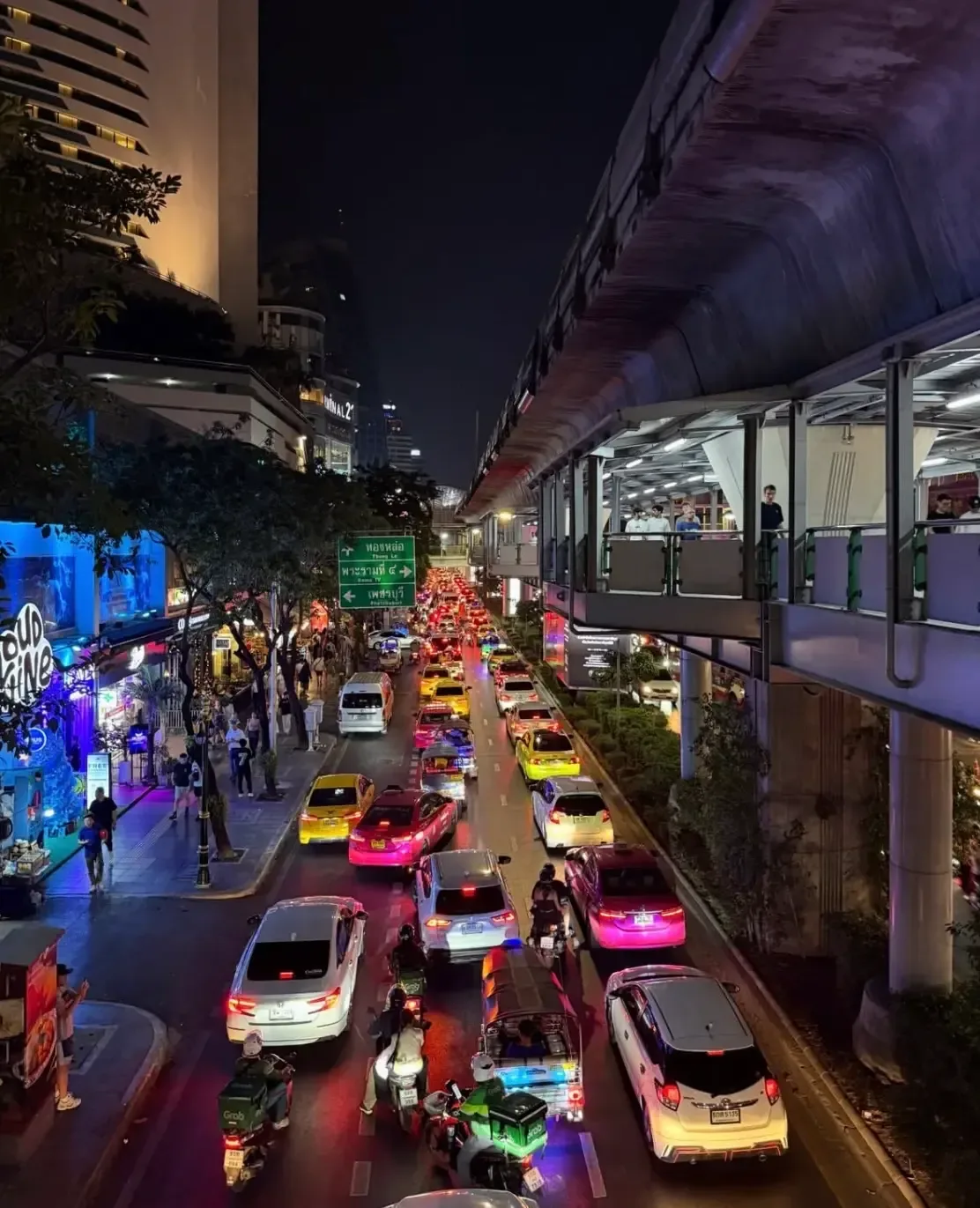
Bangkok always wakes me up.
Maybe it’s the heat, maybe it’s the traffic that somehow functions without rules, maybe it’s the food. But there’s something about being there that makes everything feel dynamic and in motion.
Greenbook's IIEX APAC felt exactly the same.
This year didn’t feel like a conference trying to sell us on AI. It felt like a conference trying to figure out how to live with it which, honestly, is far more interesting.
Less hype, more honesty. Less “AI will change everything,” more “okay… how do we use this well without losing ourselves in the process?”
I loved that tone.
Beyond proof.
One of the sessions I’m still thinking about was Lara Truelove from Standard Chartered talking about how the traditional insights compact is breaking.
For years, we’ve traded in proof. We gather the data, validate assumptions, present certainty. Stakeholders listen.
But when AI can generate polished proof in minutes, certainty becomes cheap.
So what becomes valuable instead? Provocation. Reframing. The uncomfortable question that shifts a strategy rather than confirms it.
Sidhanth Shah from BCG built on that with a reminder that intuition isn’t optional anymore. When everyone has access to the same tools, the differentiator becomes judgment: knowing which signal matters, knowing when to push back, knowing when the obvious answer isn’t the right one.
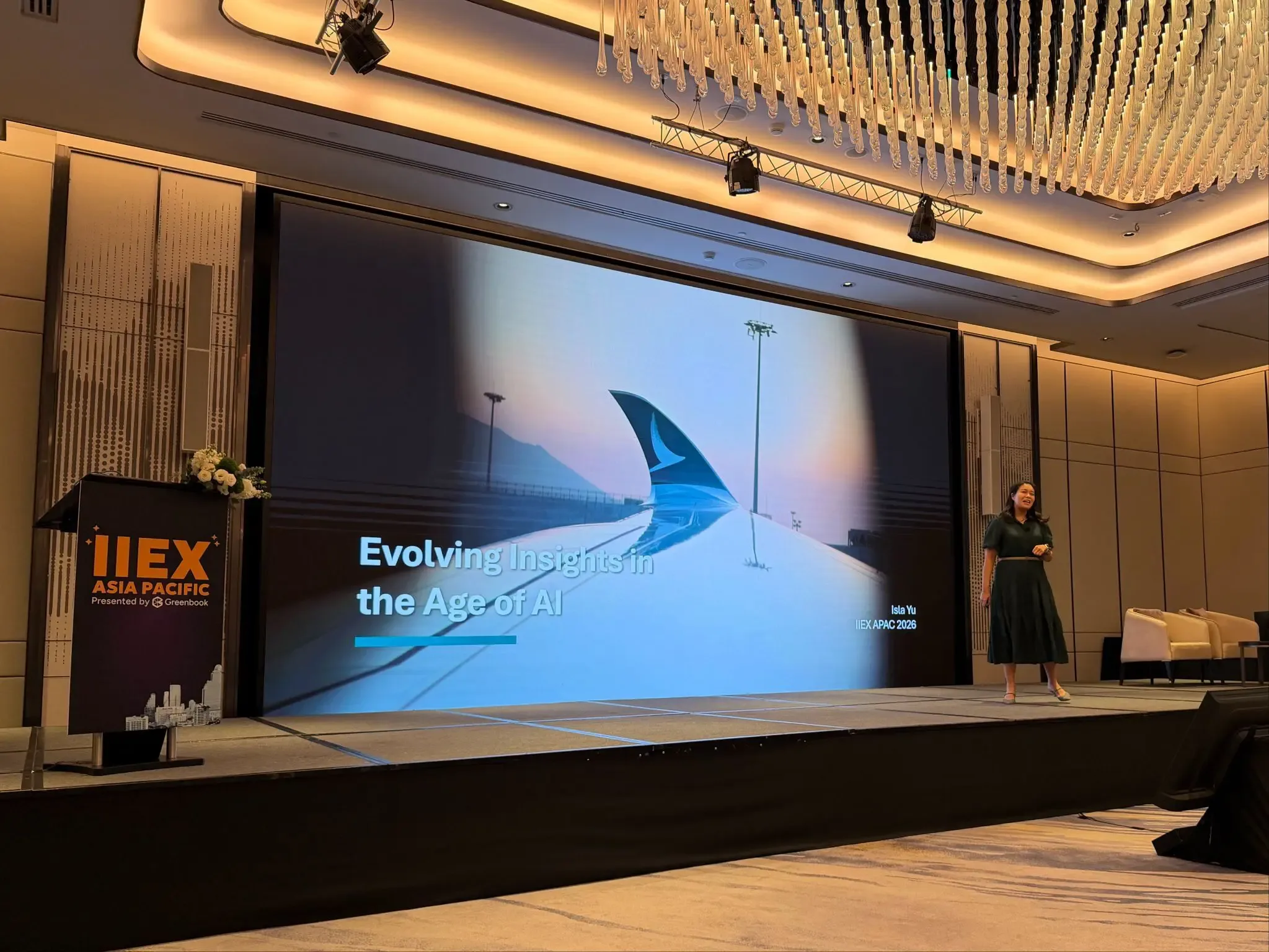
Isla Yu from Cathay Pacific made a strong case for how the insights function itself needs to evolve. AI literacy is table stakes now. What sets teams apart is business fluency and emotional intelligence - the ability to move from reporting to foresight.
I wrote in my notes: “AI accelerates answers. Humans decide what matters.”
That line kept coming back.
AI in the real world.
There were plenty of AI sessions, but what struck me was how practical they were.
Trip Gorman from Listen Labs walked through where AI-moderated research wins, and where it still struggles. Refreshingly balanced. Not evangelism, not fear. Just reality.
Scott Worthge’s session on testing an AI moderator was similarly candid. The system showed huge promise, but it also required oversight. Faster is possible, it just isn’t automatic.
Cassiano Albuquerque compared multiple large language models and highlighted something we need to talk about more: different models have different tendencies in logic, emotion, and ethical framing. We can’t just say “AI” and assume uniform behavior.
And then there was the session on orchestrating a human–AI symphony to rewrite category rules. This one genuinely excited me.
The premise was simple but powerful: most organizations are sitting on years of internal research that never fully connects. Instead of commissioning more studies, what if we actually synthesized what we already have?
AI scaled patterns across more than eighty internal studies. Humans layered cultural nuance and strategic framing on top. The result wasn’t just a summary - it was nine clear growth terrains that reframed the category entirely.
That balance felt powerful.
Machines scaled the patterns. Humans defined the meaning.
It’s not about replacing researchers. It’s about redesigning how we use the knowledge we already have.
As someone who spends a lot of time thinking about platform workflows and how to connect insight more fluidly, this session really landed. The future feels less like isolated projects and more like connected systems where learning compounds.
Qual is not quietly disappearing.
If anything, qualitative research felt more important than ever.
Andrew Therkelsen spoke about qual as the growth weapon of the 2030s. In a world drowning in dashboards, what organizations lack is sensemaking. Qual becomes the engine of interpretation.
Shelly Singh’s masterclass on radical moderation challenged the long-held belief that neutrality is always the gold standard. Bringing more of yourself into the interaction - when done with rigor - can unlock deeper emotional access. It requires skill, and it requires confidence, but it can elevate the work.
There was also a broader undercurrent that AI can flatten outputs if we let it. The qualitative researcher of the future is part technologist, part cultural translator, part strategist.
I left those sessions feeling less defensive about qual and more energized about where it’s going.
Culture, sensory, and what makes brands irreplaceable.
Beyond the AI narrative, culture was a strong thread.
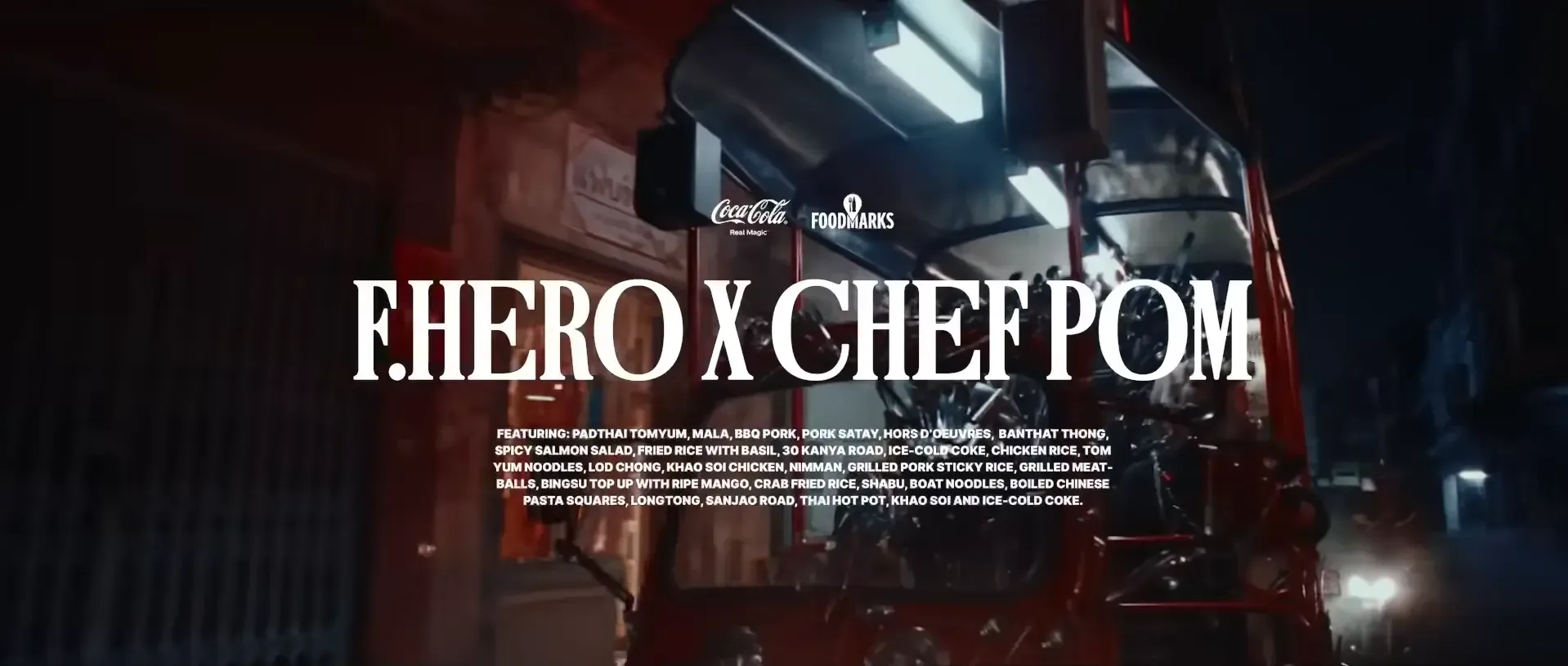
The Coca-Cola session on Thai street food culture was a great example of global thinking meeting local reality. Not translation - immersion. Creative conversations instead of rigid briefs. Growth does not always come from something new, but from showing up more naturally in the moments that already matter, and this Thai music video brings it all to life in a rather mad but brilliant way!
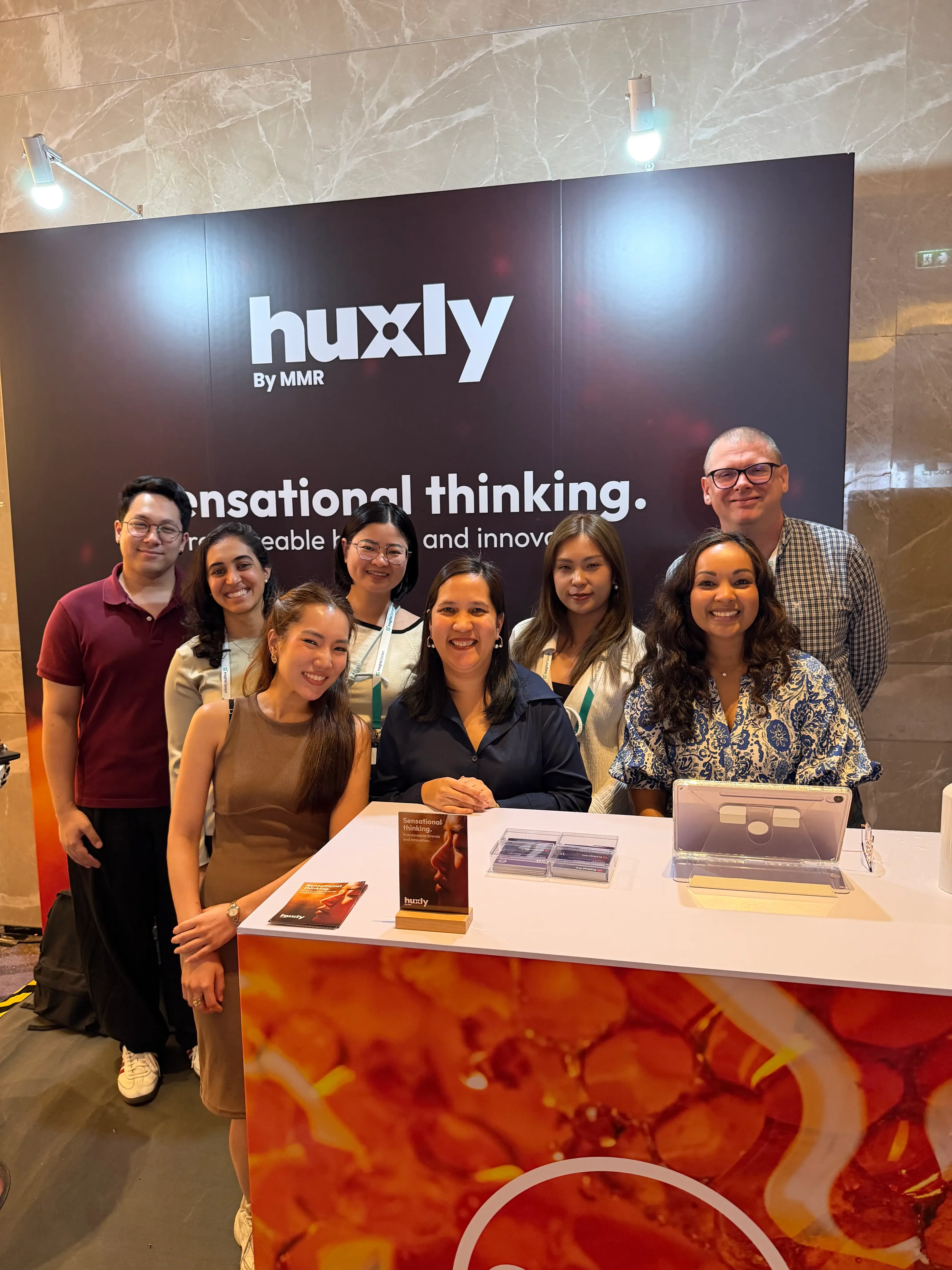
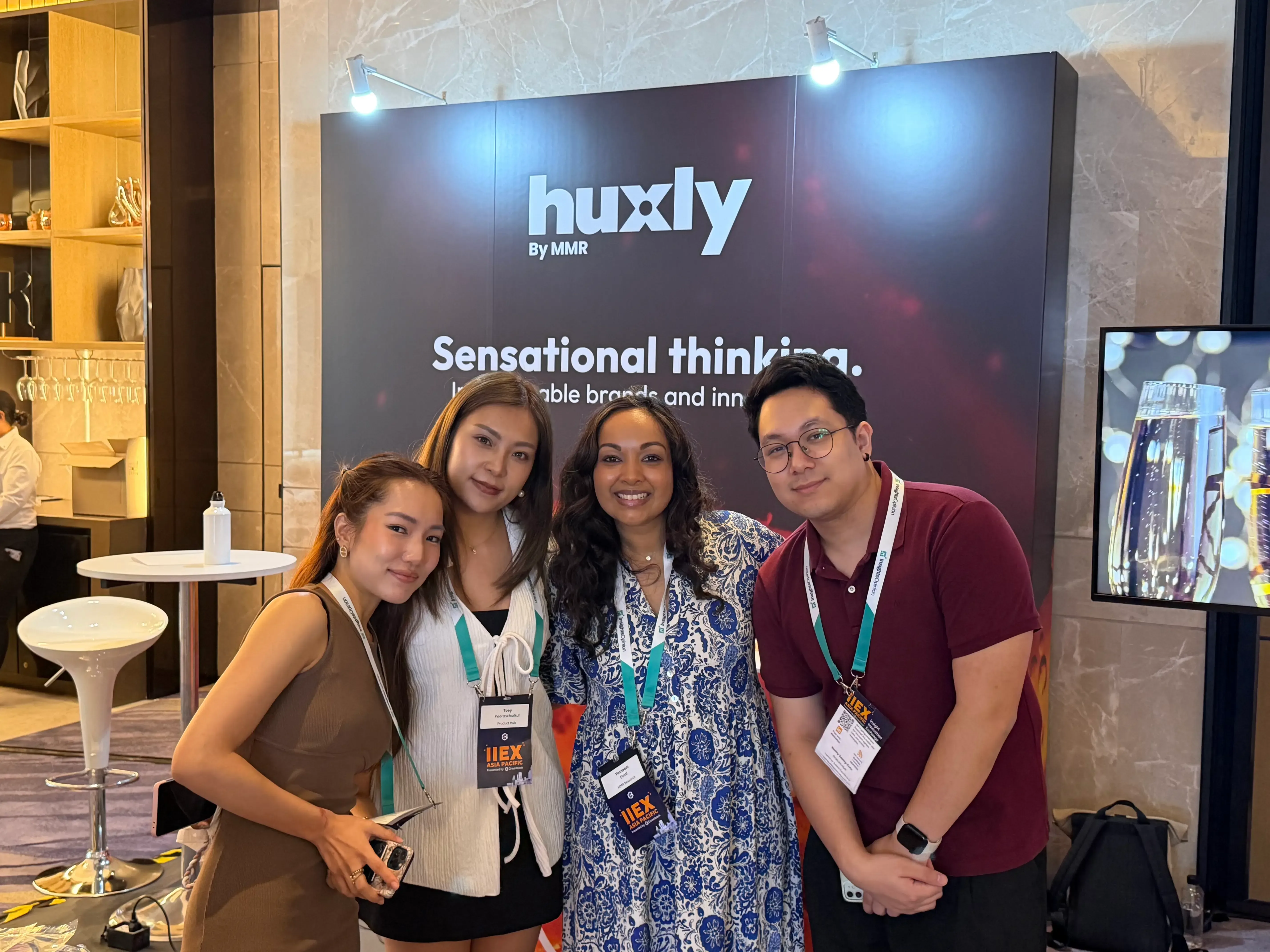
Then there was Culture and Sensory: Secrets to Irreplaceable Brand Innovation, led by Harshita Mullick and Coco Wu from MMR's brand strategy agency, Huxly.
The idea that culture shapes not just what we buy but what we crave is powerful. Texture, taste, sound, visual cues—they all carry meaning. They spark emotion. They anchor memory.
When brands decode those cultural sensory codes properly, innovation becomes something people feel, rather than something they evaluate in a concept test.
I loved the framing that innovation should be lived, not just optimized. Sensory Semiotics, when grounded in real cultural understanding, becomes a growth lever.
It also connected to broader conversations about identity across Southeast Asia. Consumers are navigating global sameness while still craving personal expression. They want familiarity and individuality at the same time.
That tension is where the interesting work lives.
Structural shifts we can’t ignore.
Two demographic themes felt particularly important.
One-person households are rising quickly across parts of Asia, and that changes everything: pack sizes, portioning, pricing ladders, emotional messaging. The solo economy reframes independence as empowerment—often supported by technology.
The exploration of ASEAN’s emerging affluents was equally compelling: functionality as luxury, brands as social passports, status expressed through capability and connection rather than extravagance.
These aren’t fringe shifts. They’re reshaping categories.
If our research briefs still default to outdated assumptions about households and life stages, we’re missing something big.
And the commercial bar keeps rising.
Across sessions on packaging, personalization, sustainability, and growth frameworks, one thing was clear: insight must connect to decisions.
Predictive pack design showed how AI can reduce creative risk by linking behavioral signals to likely sales impact. Personalization was reframed as portfolio and innovation strategy, not just targeting tactics.
Even influencer marketing was discussed through the lens of intentionality and branding discipline. Campaigns work when they’re built to work.
The expectation now is simple: What did it change?
A platform reflection.
Sitting in Bangkok, especially during the sessions focused on orchestration and workflow, I kept thinking about how much the industry is shifting toward connected systems rather than one-off projects.
Research is moving closer to daily operations. AI is accelerating synthesis. Governance is being designed in from the start. Knowledge is being connected rather than recreated.
That direction feels right.
The future isn’t about running more studies. It’s about designing environments where learning compounds, insight flows more fluidly, and decisions are made with greater confidence.
Speed matters. Depth matters. Trust matters.
The unlock is designing processes and platforms where all three can coexist.
Leaving Bangkok.
IIEX APAC this year felt ambitious, slightly uncomfortable, and very honest.
We’re not being replaced. We’re being stretched.
The researchers who’ll thrive are the ones who embrace AI without outsourcing their judgment. The ones who lean into culture. The ones who connect insight to real commercial decisions.
Bangkok was the right place for this conversation. The heat makes you pay attention, the energy keeps you sharp - and right now the industry needs both.
If you were there, what are you still thinking about? I’d love to know what landed.
Until the next conference,
Tas
News & Insights.
The latest industry news from our product experts