
The Invisible Reinvention: Why Fragrance Reformulation Has Become a Strategic Imperative for Global CPGs
Imagining opening a bottle of fabric conditioner. The same brand you’ve used for years. But something feels different. Maybe the scent fades faster, or the floral note feels softer. Maybe it simply doesn’t evoke the same emotional response...
In fragrance, consumers notice change quickly - and they often take it personally.
That’s what makes fragrance reformulation one of the most delicate balancing acts in consumer goods. For global CPG brands across personal care and household care, reformulation is no longer an occasional technical exercise. It’s become a continuous cycle of adaptation driven by regulation, sustainability pressures, volatile supply chains, and rapidly shifting consumer expectations.
But the consumer doesn’t care about all that. They just want their beloved product to do the job properly, and smell exactly as they remember.

Fragrance is under pressure from every direction
Historically, reformulation was often reactive: an ingredient restriction here, a supplier issue there. Today, the drivers are broader and more structural.
One of the biggest catalysts is evolving global regulation. In Europe, allergen labelling requirements are forcing brands to reassess formulations across multiple categories, from deodorants and shampoos to detergents and home cleaners.
At the same time, sustainability commitments are reshaping ingredient sourcing strategies. Brands are moving away from petrochemical-derived ingredients, prioritizing biodegradable materials and lower-impact manufacturing. Emerging regulations on silicones and environmentally persistent ingredients are accelerating this transition further.
Then there’s supply-chain instability. Natural fragrance materials remain vulnerable to climate events, poor harvests, geopolitical disruption, and price volatility. Even iconic fragrance blends can suddenly become commercially unsustainable.
Layered on top is the rise of emotionally driven fragrance culture. Consumers increasingly view scent as part of identity, mood regulation, and self-expression. Fragrance is no longer confined to luxury brands – it's become central to everything from deodorants and shower gels to laundry care and surface cleaners.
That creates enormous innovation opportunities, but also significantly raises the stakes when formulas change.

The challenge isn’t just technical, it’s emotional
The industry often talks about reformulation as a chemistry problem. In reality, it’s just as much a perception problem - which means technical reformulation decisions increasingly require robust consumer and sensory validation.
Online fragrance communities are filled with discussions about reformulated products, driven by consumers who feel betrayed when scents are changed or weakened over time. Conversations reveal just how emotionally charged reformulation can become, with some describing feeling that beloved products have been “ruined”, with one Reddit user writing: “The first time my heart broke over a reformulation was Alien - Mugler.” Others are a little blunter in their disappointment: “It doesn’t smell the same anymore.”
What matters for brands is that fragrance memory is powerful. Consumers may not consciously identify individual notes, but they absolutely recognize emotional familiarity.
That means reformulation success isn’t always about achieving a perfect replica, it’s about preserving the core emotional signature of a product while adapting to new realities.
This creates a difficult balancing act for brands:
* Maintain brand recognition
* Improve sustainability credentials
* Meet evolving regulatory requirements
* Control cost pressures
* Keep pace with trend cycles
* Avoid alienating loyal consumers
All simultaneously.
The brands that succeed treat reformulation as innovation
Some of the most effective companies are reframing reformulation from a defensive necessity into a proactive innovation opportunity.
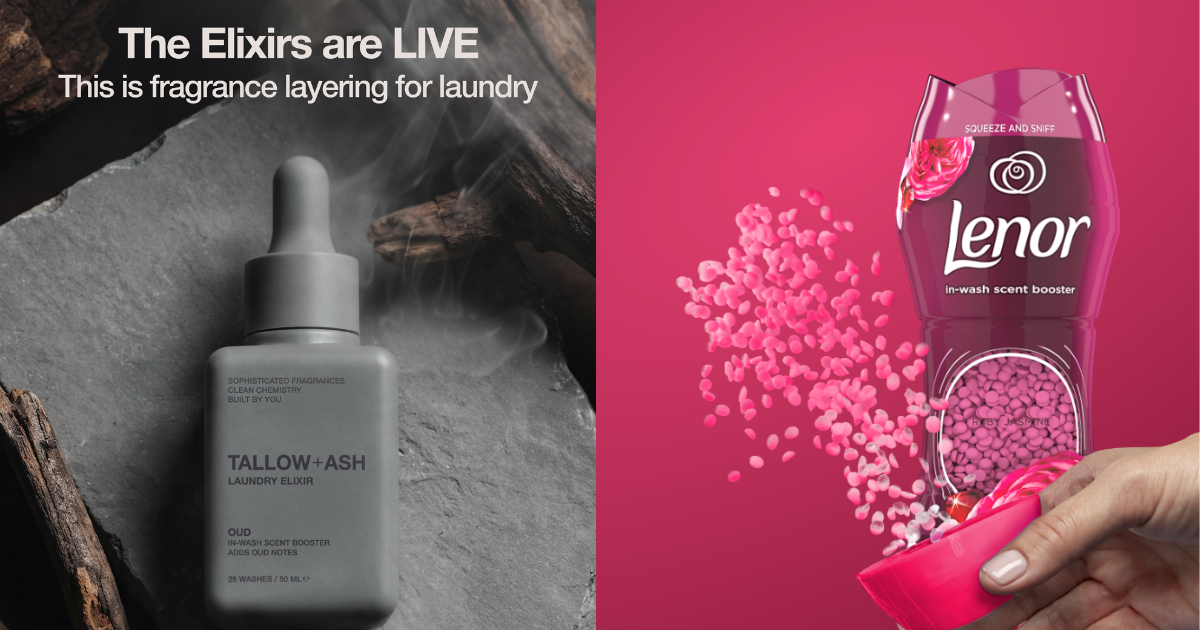
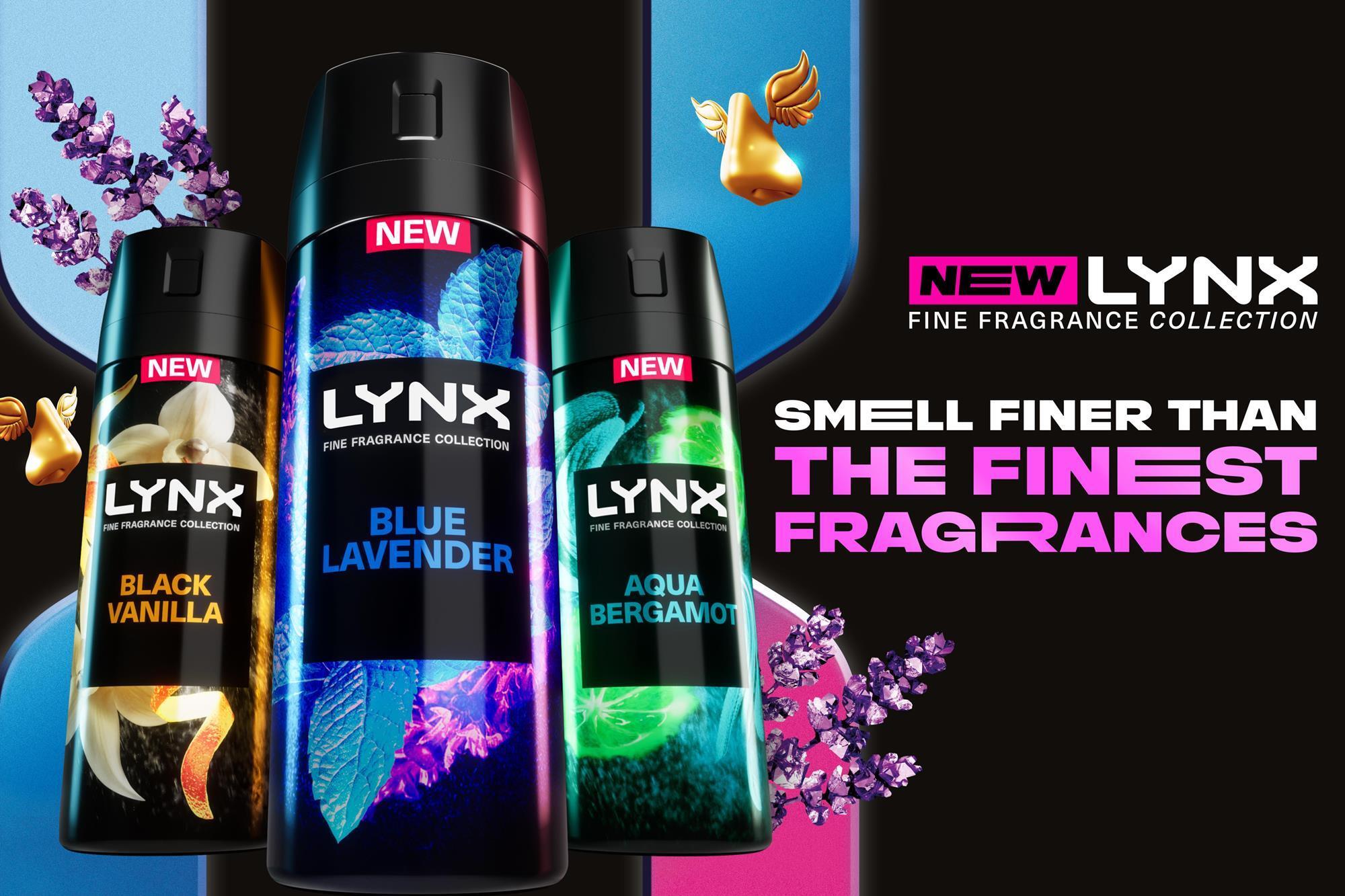
Unilever’s recent expansion of the Lynx Fine Fragrance range demonstrates how fragrance innovation is becoming central to broader personal care positioning. The brand has leaned into trend-led scent development, essential oils, and emotionally resonant fragrance experiences designed specifically for Gen Z.
Henkel’s updates to its Fa portfolio combined fragrance changes with sustainability improvements, including increased natural-origin ingredients and more environmentally conscious packaging materials.
Meanwhile, the wider fragrance market is evolving rapidly around mood-enhancing scents, cleaner formulations, gourmand profiles, and longer-lasting sensory technologies. The rise of “skin scents,” functional wellness fragrances, and dessert-inspired profiles – think vanilla, pistachio, caramel - is reshaping consumer expectations across both beauty and household categories, while advances in fragrance encapsulation are enabling longer-lasting scent release in products like fabric conditioners and detergents.
What we’re also seeing is that successful reformulation increasingly depends on speed and iteration. Brands can’t afford multi-year redevelopment cycles before understanding whether a revised fragrance still delivers against consumer expectations.
They need faster ways to evaluate not just whether a reformulated product is acceptable - but whether it still delivers the emotional and sensory cues consumers associate with the brand.
That means finding agile, product-centric ways to:
* Benchmark reformulated products against legacy versions
* Validate emotional and sensory performance rapidly
* Compare regional consumer responses
* Screen multiple fragrance directions simultaneously
* Detect subtle declines in product preference before launch
Why product testing infrastructure matters more than ever
This is where reformulation becomes less about isolated fragrance decisions and more about organizational capability.
For many CPGs, the real bottleneck is no longer generating new fragrance ideas. It’s evaluating them quickly, consistently, and at scale across markets.
As reformulation cycles accelerate, traditional product testing approaches can struggle to keep pace. Teams often face fragmented workflows, lengthy setup processes, siloed data, and delayed insight delivery - all of which slow decision-making at precisely the moment agility matters most.
Platforms like Product Hub by MMR are emerging in response to this shift - helping brands streamline product evaluation and reformulation validation at speed and scale. But in fragrance reformulation, speed alone is rarely enough. Understanding the subtle relationship between scent perception, product performance, emotional response, and consumer expectation requires deep product expertise.
Built on MMR’s long-standing heritage in sensory and product research, Product Hub combines agile global testing infrastructure with specialist understanding of how consumers experience products in the real world. That enables teams to move beyond simple “like/dislike” measures and make faster, more confident reformulation decisions around fragrance performance, emotional fit, benchmarking, and sensory consistency across markets.
That capability becomes particularly valuable when reformulation decisions carry both commercial and emotional risk. Because in fragrance, even the smallest change can have an outsized impact on consumer perception.
Reformulation is becoming a permanent state of innovation
The idea of a “finished” fragrance formula is rapidly disappearing.
Between regulation, sustainability goals, trend evolution, ingredient volatility, and changing sensory expectations, reformulation is becoming an ongoing reality for brands - not a one-off event.
The winners will likely be those that stop viewing reformulation as damage control and start treating it as a continuous innovation discipline: one powered by faster learning, smarter validation, and deeper understanding of how consumers emotionally experience scent.
Because consumers may never know why a fragrance changed. But they will always know how it made them feel.
Blog.
The latest insights from our product experts