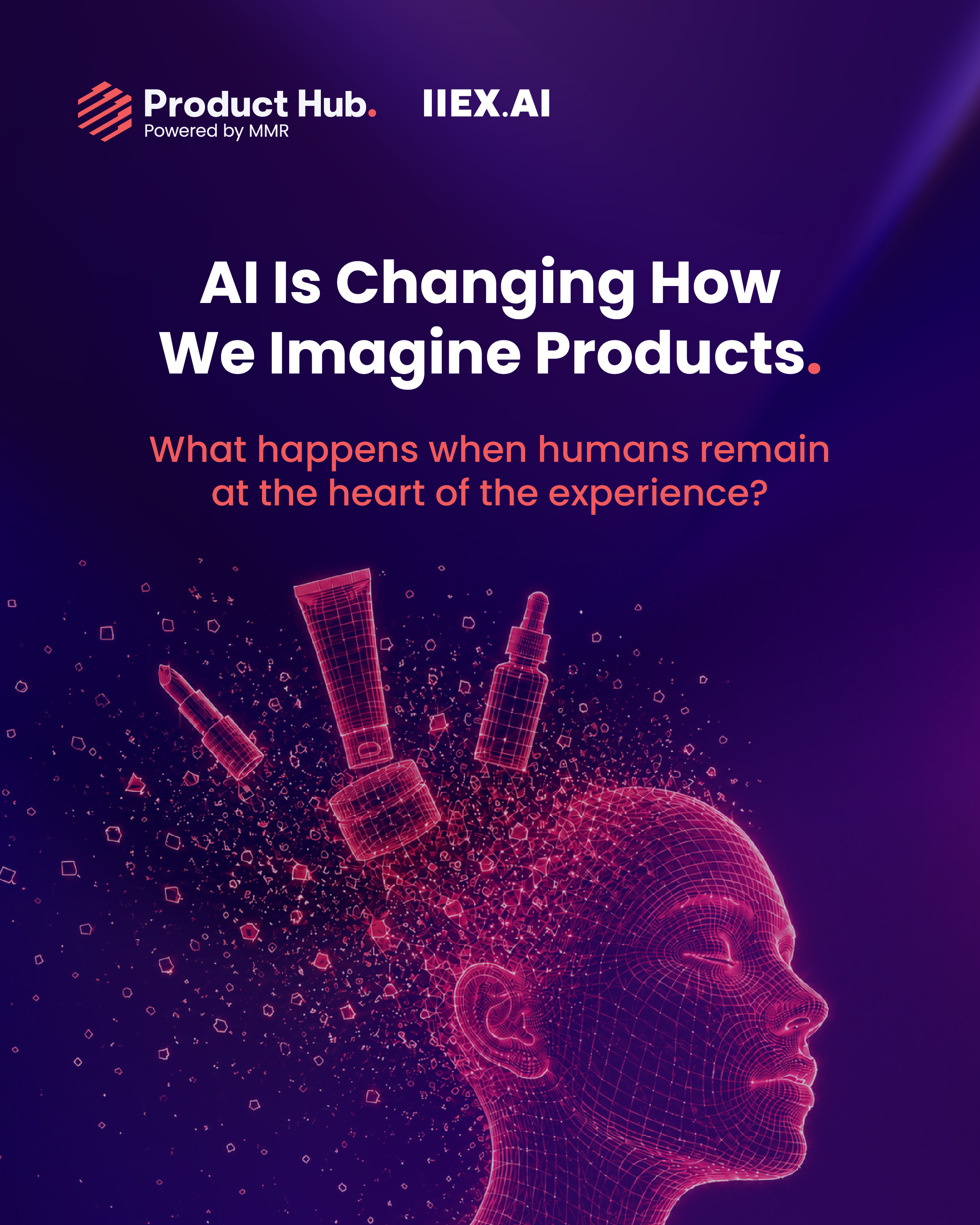
AI can imagine a product. Only people can experience one.
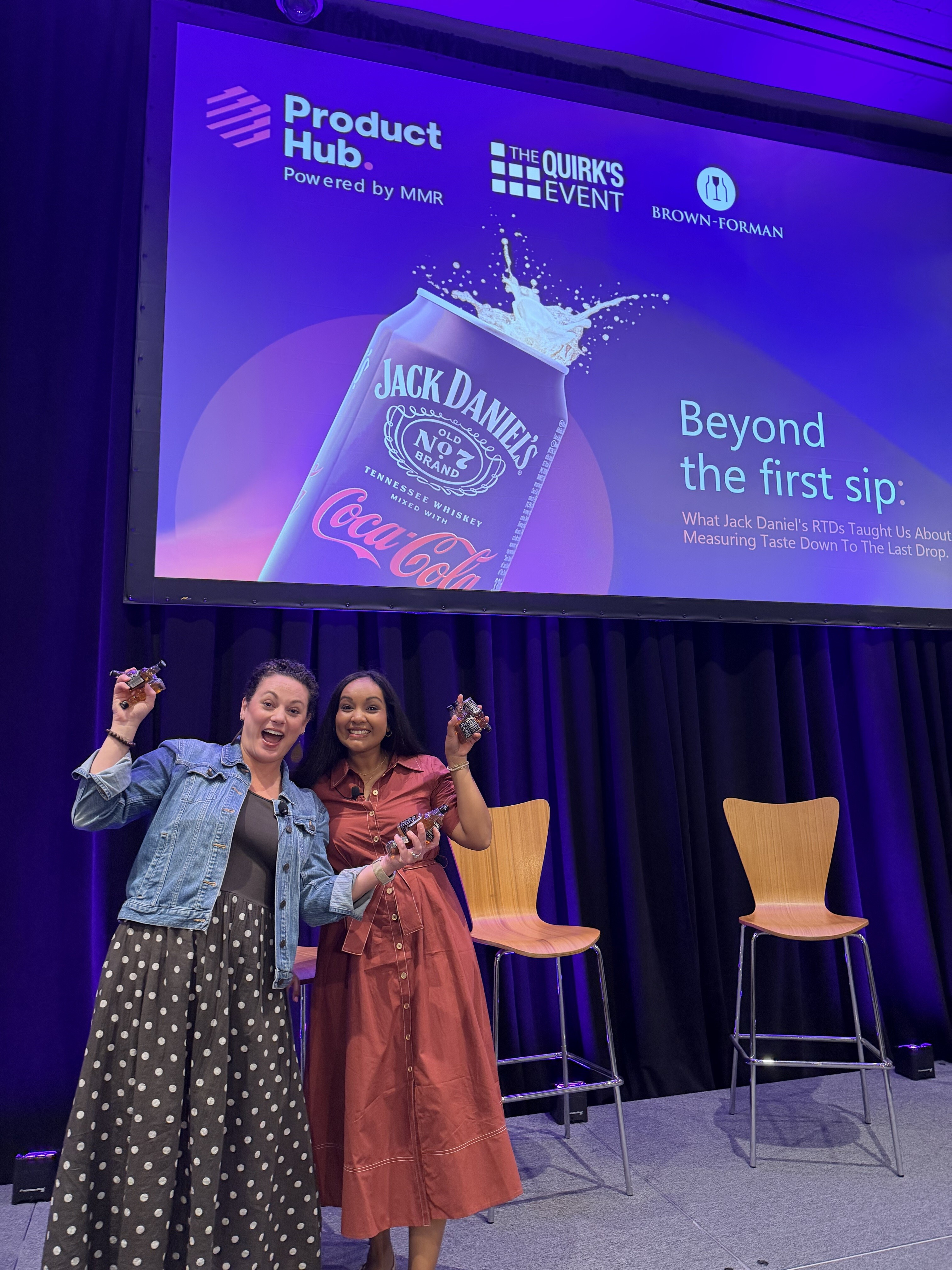
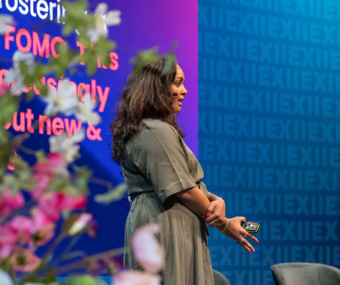
At Greenbook's IIEX AI conference, Dan and I took the stage to make a simple argument about where AI-era value sits in product testing. The vision we shared is that AI is genuinely useful in product research, and it lets us do some things that weren't possible before: querying years of studies in plain language, surfacing cross-project patterns no one could hold in their head, putting together a rough prototype of an idea in an afternoon.

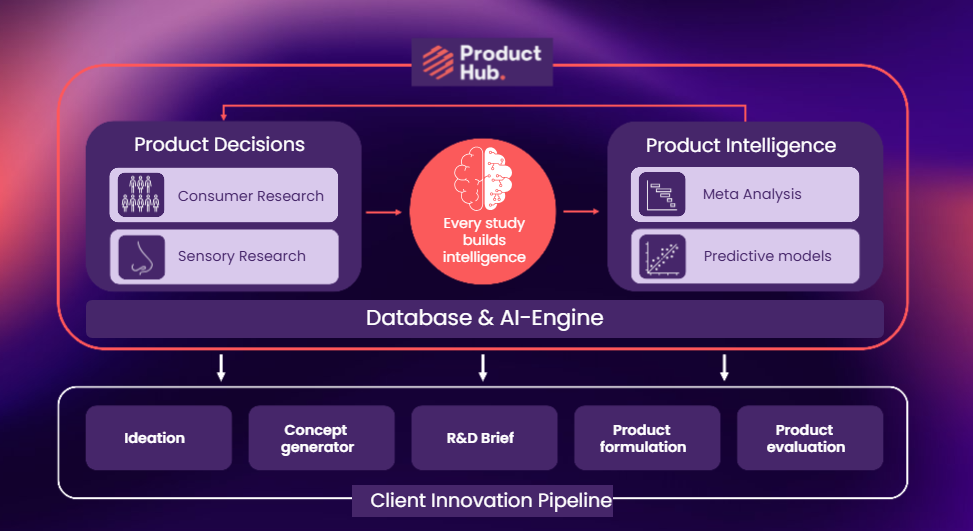
Dan and I shared the vision we've been building toward for Product Hub: a continuous insights ecosystem for product testing, already in trial with clients. Every brand's AI engine can dream up a hundred concepts an hour but can't taste, smell, or feel a single one.
The human truth at the centre of everything we build: the data that matters most comes from real people experiencing real products. AI can imagine a product but only people can experience one. It won't taste a reformulation, won't feel a texture change, won't get goosebumps in front of something genuinely new. As AI becomes capable of generating almost anything, the scarce asset is exactly what it can’t generate: sensory truth and human preference, collected properly.
So, the question was never whether to keep the human core. It's how to build around it so it becomes more valuable. In the AI era, this is where value concentrates.
Before any AI, we mapped the whole research workflow end-to-end, from brief and proposal through questionnaire, data collection, analysis, charting, follow-ups and tracking. Every friction point became a design target, because it showed us where structure was missing, and structure is what AI actually needs.
Then we got into the unglamorous work most AI strategies skip. We wrote down what our best researchers know but had never had to spell out: definitions, rules, what “significant” really means and how to read a product. We encoded that judgement into a structured semantic layer the AI reasons from, rather than bolting prompts onto a mess. We built for repeatability first: deterministic processing where precision is important, because a probabilistic model should never be the thing that signs off a go/no-go. We needed to make that expertise clear enough to follow: if an intern couldn’t understand the rules, neither could the AI, so we made it legible.
With the ground structured, every consumer, sensory and qualitative data point is captured, tagged and linked back to the product itself through a product catalogue. Consistency makes results comparable across projects and markets, and comparability unlocks meta-analysis: norms that build themselves, patterns no single study could show. The back catalogue stops being a graveyard of slide decks and becomes an asset that appreciates.
On top of that foundation sit the AI tools, built through semantic layers grounded in researcher expertise:
- Quantitative interpretation that reads significance-tested data the way a researcher would, looking at KPIs, diagnostics and product differences.
- Qualitative analysis grounded in proper content analysis, where a human validates every theme before a client sees it.
- Research design support that helps scope and build studies to best practice from the start.
- And the piece generalist AI can’t reach: the link between what a product is, its sensory profile and how people respond to it.
None of it replaces judgement. AI surfaces the signal; the researcher makes the call. Turning an output into a decision, with the strategy behind it, is the consultancy clients actually pay for.
The industry keeps talking about digital twins and rapid synthetic prototyping for consumer products. We think there’s only one credible route to them: predictive models grounded in expert sensory data and real human preference, rather than synthetic data pretending to be human. It’s something we’ve long been developing with our Data Science team, with a specific shout-out to Simon Harris, whose work sits at the heart of it.
Speed and scale in prototyping are only worth having if the prediction underneath is anchored to how people actually taste, feel, experience and choose. Anchor it there, and you can start doing the genuinely new things. And trust them, because they’re grounded in the one thing AI can’t fake.
None of this lives in a silo. The point is to fuel the NPD process inside product innovators’ own systems by integrating validated product insight with the idea, concept, creative and marketing insight they already hold. Product testing becomes a connected, continuous layer in how brands build, rather than one-off readouts that die in a folder.
Three things we left the room with:
1. AI can imagine a product but only people can experience one. Sensory truth is the scarce asset, build on it.
2. Don't replace the human sensory core with AI. Build a compounding intelligence engine around it, so every study makes the next product decision smarter.
3. It's time to act. Product people should transform their own systems or corporate will do it to them.
AI is useful, and it's needed. But the winners won't be the ones who used it to replace the human core. They'll be the ones who built the machine that learns from it, and got better products to market faster because of it.
It was a genuine privilege to share the stage with strong voices from across market research and the technology world to argue about where we are and what the future might look like. More to come on how we're deploying this; the full showcase, recording, and deck are on the IIEX AI website.
Blog.
The latest insights from our product experts