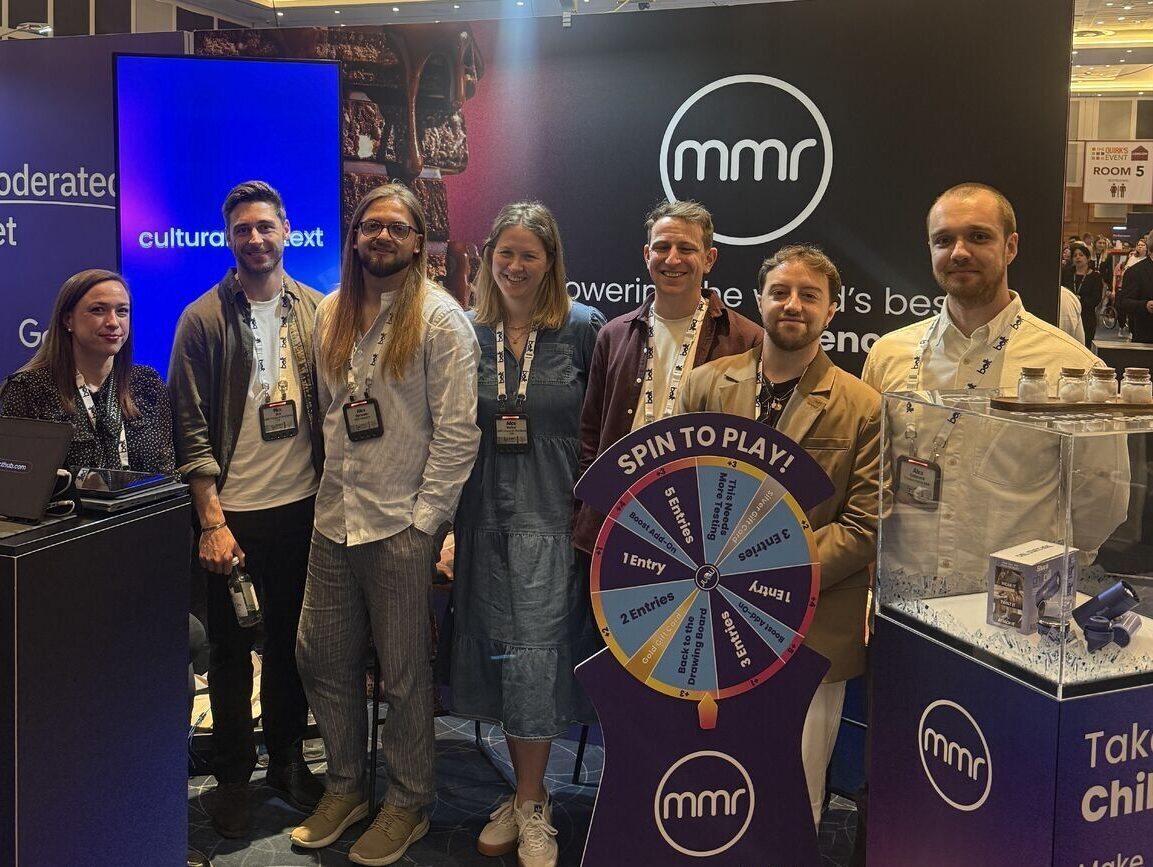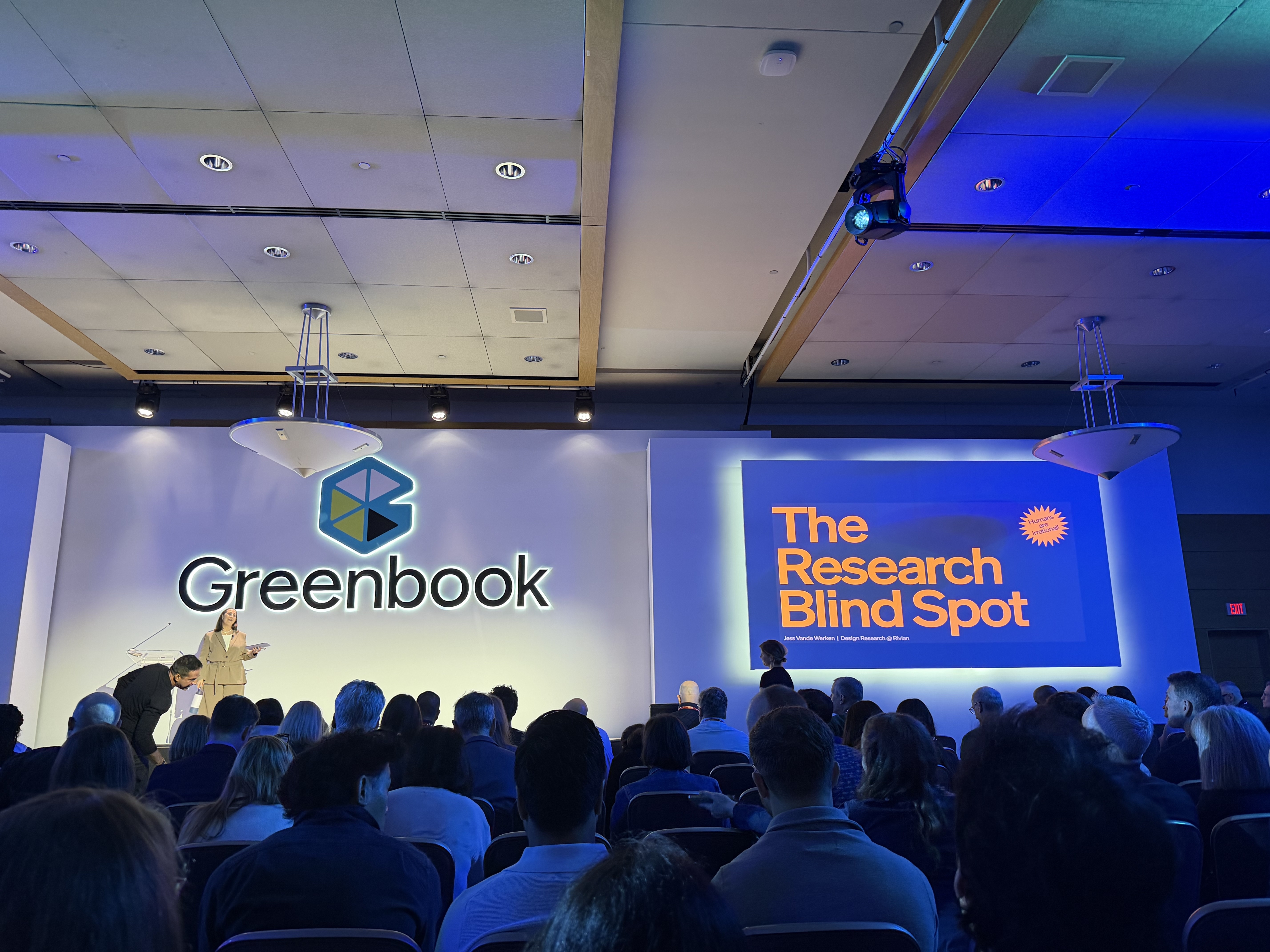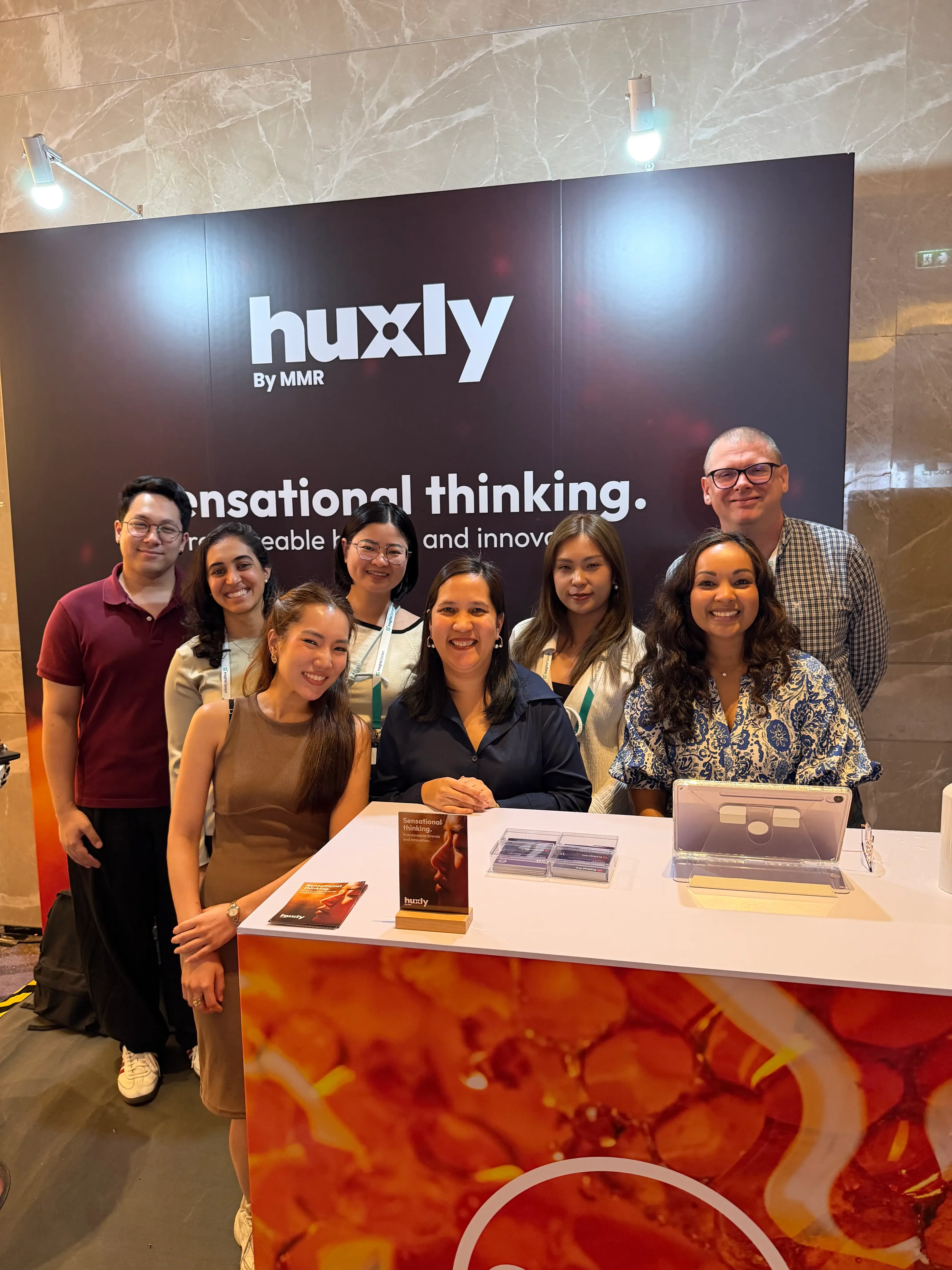

Quirk’s London confirmed it: product testing is changing fast.
We’ve just got back from Quirk's London and one thing was pretty obvious almost immediately: the industry is moving away from disconnected tools and toward connected systems that learn over time.

We’ve just got back from Quirk's London and one thing was pretty obvious almost immediately: the industry is moving away from disconnected tools and toward connected systems that learn over time.
Not more platforms just for the sake of it.
Not more dashboards.
Not more reports sitting untouched in folders.
Systems that help businesses think better, move faster and make decisions with more confidence. That shift was everywhere at Quirk’s this year. In the sessions, the demos, the hallway conversations and even in the questions people were asking at booths.
The energy around AI was still huge, of course - but the conversation has matured. This wasn’t a conference of people asking if AI matters anymore, it was people trying to figure out how to make it genuinely useful.
The most interesting conversations weren’t about individual tools.
One theme kept surfacing throughout the event: ecosystems are replacing point solutions. The standout conversations weren’t around single studies or flashy features, they were about connected programs where data compounds over time, insights stay accessible and learning doesn’t disappear once a project wraps up.
Because businesses are starting to realize something important: research becomes exponentially more valuable when it builds on itself. A one-off study gives you an answer for today. A connected platform helps you get smarter over time.
And that’s a completely different mindset.
Clients don’t need more data. They need more clarity.
This came up repeatedly across the conference floor. Research teams are sitting on more information than ever before, but many clients still feel overwhelmed by what to actually do with it. And that tension makes sense. More dashboards don’t automatically create better decisions, sometimes they just create more tabs nobody opens again.
The stronger conversations at Quirk’s focused on making insight easier to access, easier to query and easier to act on across a business. Not just for researchers. But for everyone. That’s where AI starts becoming genuinely valuable, when it helps the right people get to the right answer faster without needing an expert translator in the room every time.
The less glamorous stuff is suddenly the most important.
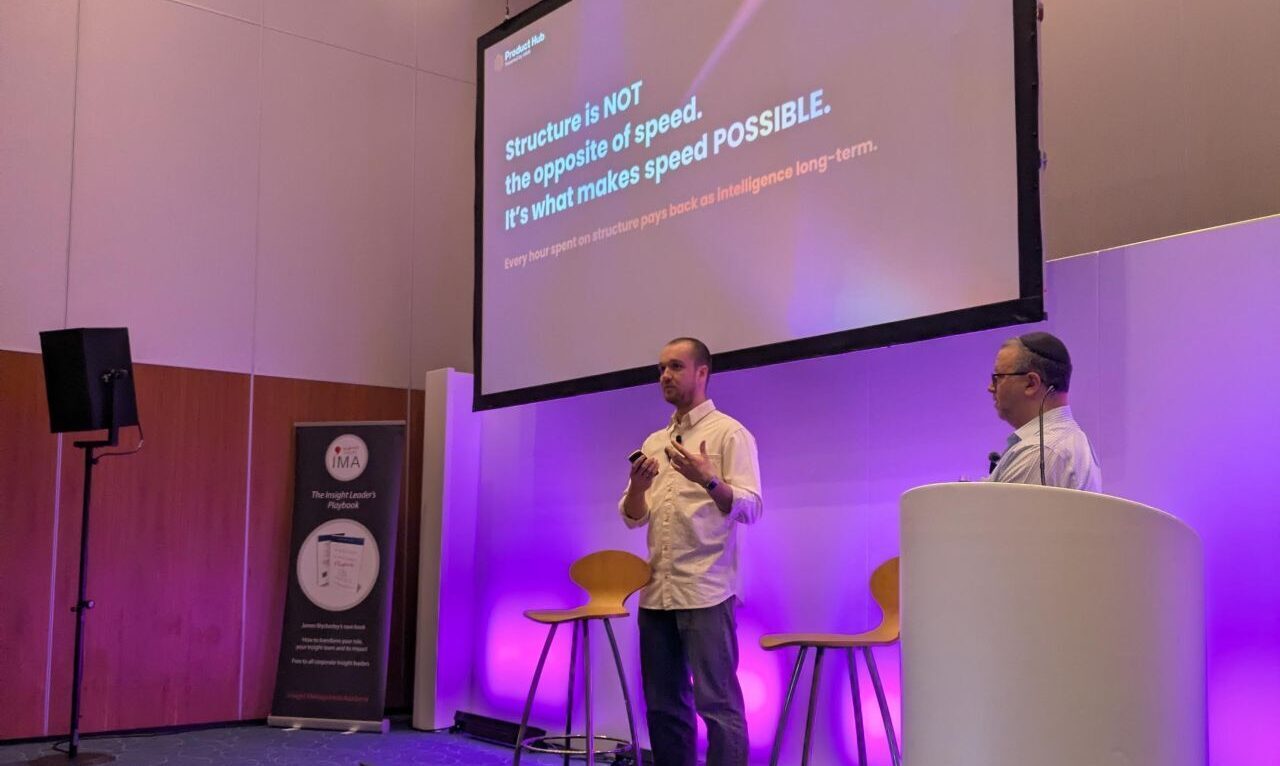
One of the biggest realities running underneath all the AI excitement is structure. Because, behind every impressive AI use case at Quirk’s was something far less exciting but far more important: clean inputs, structured data and consistent programs. Because AI doesn’t magically solve messy processes. If anything, it amplifies the cracks.
The teams that are getting real value from automation are the ones who did the foundational work first. That was central to our own conversations at Quirk’s too. Value stream mapping. Better workflows. Smarter automation. AI layered on top after the structure exists, not instead of it. Not the flashiest message at the conference. But probably one of the most important ones.
Research is becoming richer, more human and more continuous.
Another clear shift this year was the growing appetite for richer, more in-context feedback. Video responses, conversational AI and in-the-moment reactions are adding a layer that traditional surveys alone often struggle to capture. Not necessarily replacing quant, rather strengthening it.
Because sometimes the most valuable insight lives in the hesitation before someone answers. Or the facial expression they didn’t even realize they made. And when that richer data compounds across programs over time, it starts building a much fuller understanding of consumer behavior.
Quirk’s confirmed the direction we’re already moving in.
For us, Quirk’s reinforced something we’ve been building toward for a while now.
The future of product testing isn’t static research projects sitting in decks. It’s connected intelligence that evolves continuously.
Global quant testing.
AI-powered querying.
Compounding datasets.
Smarter pre-testing.
A roadmap toward sensory integration.
The direction feels incredibly clear. Now it’s about execution. Building systems that help clients not only gather insight faster but actually use it more confidently across their business.
Because ultimately, the platforms that win trust won’t be the ones with the most features. They’ll be the ones that make decision-making feel easier.
News & Insights.
The latest industry news from our product experts