
What does a room full of researchers have in common with a really good dinner party?
I am back from DC and of course I have to give a Tas style recap of the event! IIEX DC did not disappoint. Everyone in that room, and I mean everyone, was wrestling with the same quiet question: in a world where AI can do more and more of what we do, what is the thing that only we can do? The answer, it turned out, kept coming back to the same word.
Humans.

The consumer is not a spreadsheet
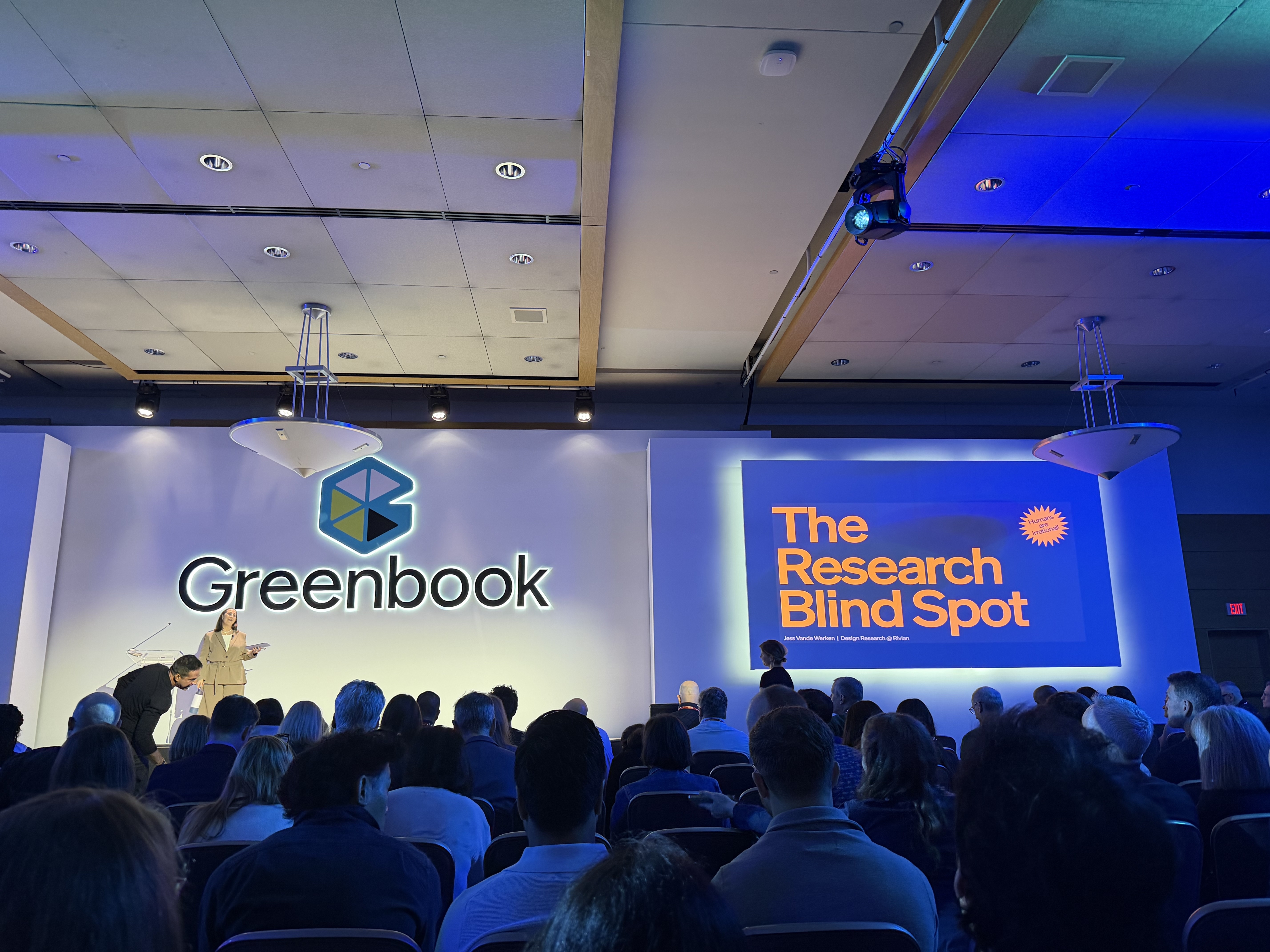
Jess Vande Werken from Rivian said something that made the room go quiet. We research humans as if they are rational. They are not. And we know this. And we keep doing it anyway.
She was talking about the gap between the metrics we measure and the messy, emotional, identity-driven reality of why people actually choose one product over another. We are great at capturing what people say. We are considerably less great at capturing why they do what they do, especially when they do not fully know themselves.
A session from Knit and McCormick on consumer loyalty reinforced this from a different angle. In tough economic times the assumption is that price wins. But their research told a different story. Shoppers are loyal to things that feel reliable, that feel like quality, that feel trustworthy. The value equation is human, not mathematical.
Both sessions pointed at the same uncomfortable truth: we have built an industry on asking people to explain their own behavior, and people are remarkably unreliable narrators of their own lives.
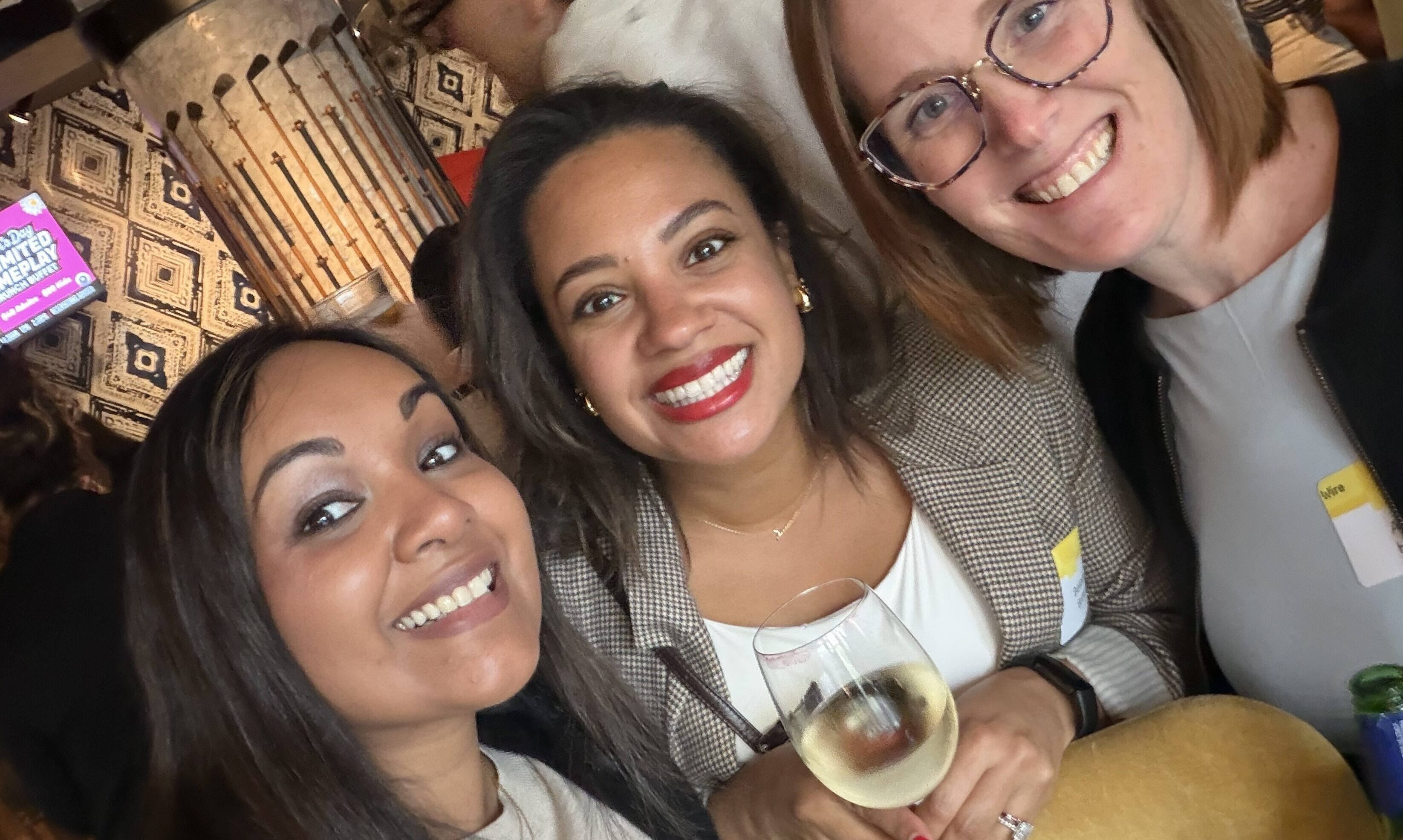
AI is not the villain. But it is not the hero either.
I went into IIEX slightly braced for the AI conversation to be exhausting. You know the one. Either breathless enthusiasm or existential dread, with not much in between. What I got instead was nuance, which felt like a gift.
A session on research workflows made a distinction I have not heard put quite so clearly before. There is AI that is genuinely improving things: translation, coding open ends, making insights more accessible inside organisations. And there is AI that is being applied because it feels like the thing to do, which mostly creates noise that looks like signal.
The difference is not the technology. It is the intention behind it. At MMR and Product Hub, this is something we think about constantly. Automation should free people up to do better thinking, not replace the thinking altogether. The goal is always the insight, not the speed of getting to something that looks like one.
The data quality conversation nobody wants to have
A Star Wars-themed session (yes, really, and it worked) made a point that stayed with me long after the room moved on. Bad data does not just produce bad insights. It produces confident bad decisions. And confident bad decisions are far more damaging than uncertainty, because at least uncertainty makes people ask more questions.
The proposed solution was, at its heart, about returning to humans. Real recruitment. Real screening. Real relationships between researchers and respondents. It sounds almost quaint in 2026. I think it is one of the most radical things our industry could do right now.
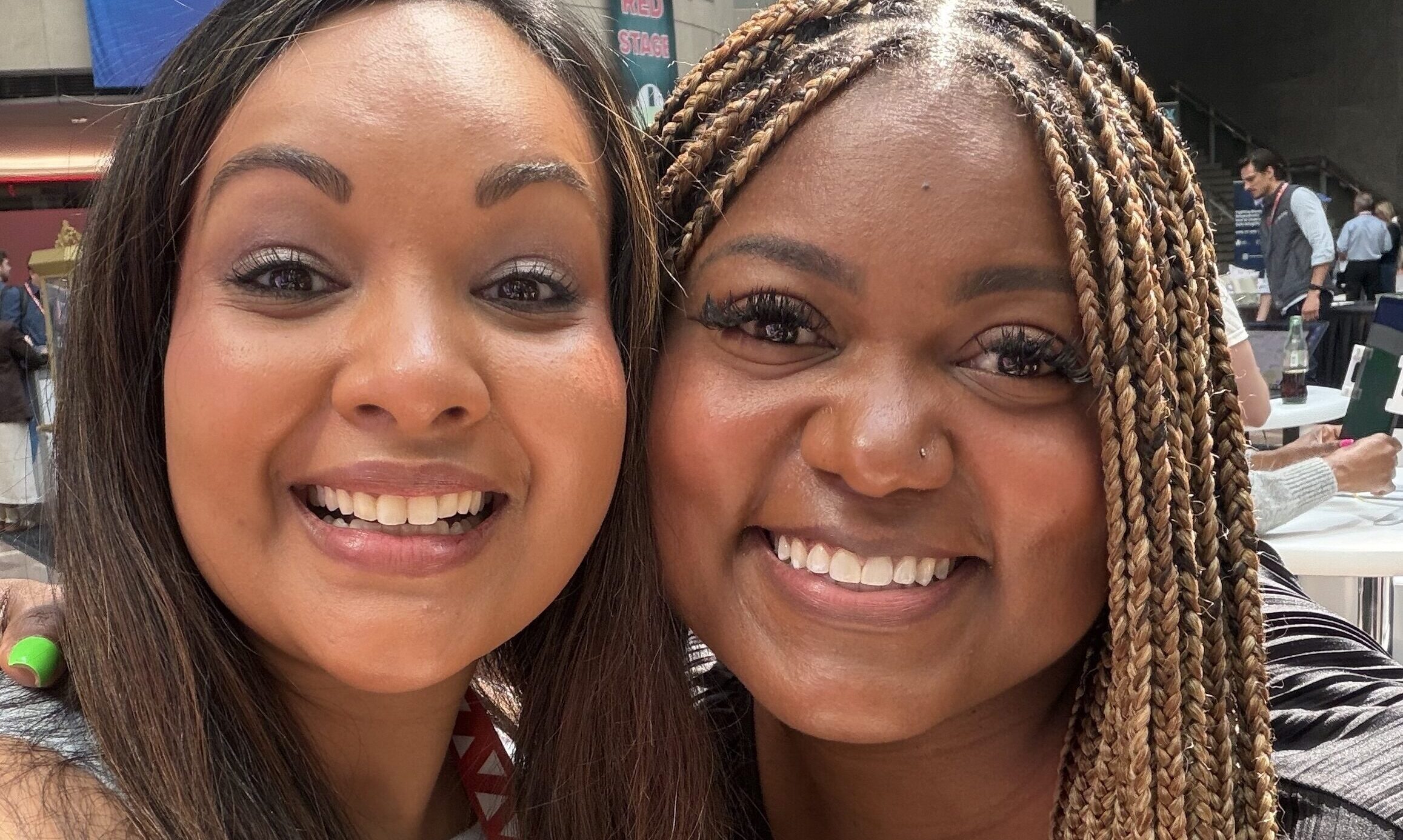
Stop asking better questions. Start watching more carefully.
Church and Dwight made an argument I have been turning over ever since. The next breakthrough in insights will not come from a new tool. It will come from a new method. We have spent decades designing better questions when the real opportunity is in better observation. What do people actually do, as opposed to what they tell us they do? The gap between those two things is where most research goes wrong.
The McCormick loyalty research made the same point from a brand perspective. The things consumers say drive their loyalty and the things that actually drive it are often not the same list. If you build your strategy on what people report, you may be solving for the story they tell, not the truth underneath it.
The researcher of the future is a change maker. No pressure.
Two sessions made me feel genuinely optimistic about where this industry is heading, which is not always how I leave conferences. Ali's talk on continuous understanding painted a future where the discrete research project gives way to something more embedded and alive. Insight as an ongoing conversation rather than a one-off event. AI handling the mechanics. Researchers doing the thinking.
And Mary Beth Jowers from Heineken added something that genuinely excited me. The next competitive advantage for insights professionals will not be generating great insights. It will be driving change. Getting organisations to actually do something with what they learn. That takes trust, courage, and the ability to read a room. No AI is coming for that one anytime soon.
The researcher of the future is less analyst, more architect. Less reporting on the past, more designing the conditions for better decisions. I find that genuinely exciting, even if it also requires a slightly terrifying amount of growth.
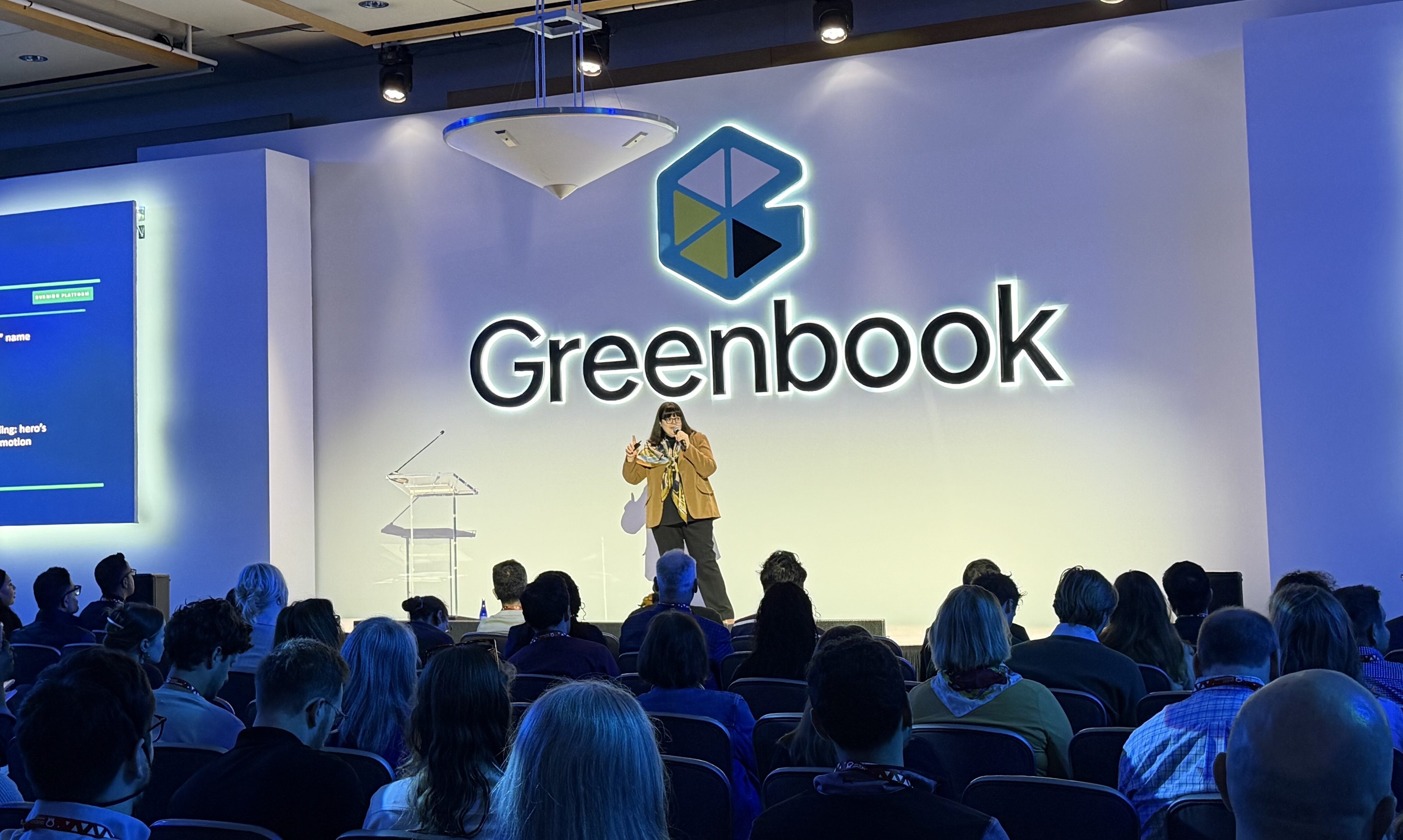
So. Back to that dinner party.
The best dinner parties are not the ones where everyone agrees. They are the ones where someone says something that makes you put your fork down and think. Where the conversation follows you home.
IIEX DC was that kind of dinner party. The tools got talked about, yes. But what kept surfacing, in session after session and conversation after conversation, was something older and more fundamental.
Humans are complicated. Humans are irrational. Humans are unreliable narrators of their own lives. And understanding them, really understanding them, is still the most important and most difficult thing we do.
No shortcut has fixed that yet. I am not sure one ever will. And honestly? I think that is the point.
News & Insights.
The latest industry news from our product experts